Defining Luxury: What Makes a Product Truly 'Luxury' in 2024
Introduction to Luxury in the Modern Age
Luxury in 2024 is a dynamic concept that extends far beyond mere price tags or flashy branding. It reflects an intricate balance of tradition and innovation, craftsmanship and sustainability, exclusivity and personalized experience. As consumer expectations evolve, so does the meaning of what defines a product as truly luxury in today’s world.
Modern luxury encompasses not only tangible qualities like material excellence and brand heritage but also intangible attributes such as ethical production, customer engagement, and cultural relevance. This holistic approach marks a shift from old perceptions of luxury as just opulence, toward a refined, nuanced understanding that resonates with discerning shoppers and lifestyle enthusiasts alike.
The Pillars of Luxury: Craftsmanship, Quality, and Heritage
The primary foundation of any luxury product remains its exceptional craftsmanship, impeccable material quality, and prestigious brand heritage. These pillars ensure durability, beauty, and a story that connects consumers to the product’s legacy.
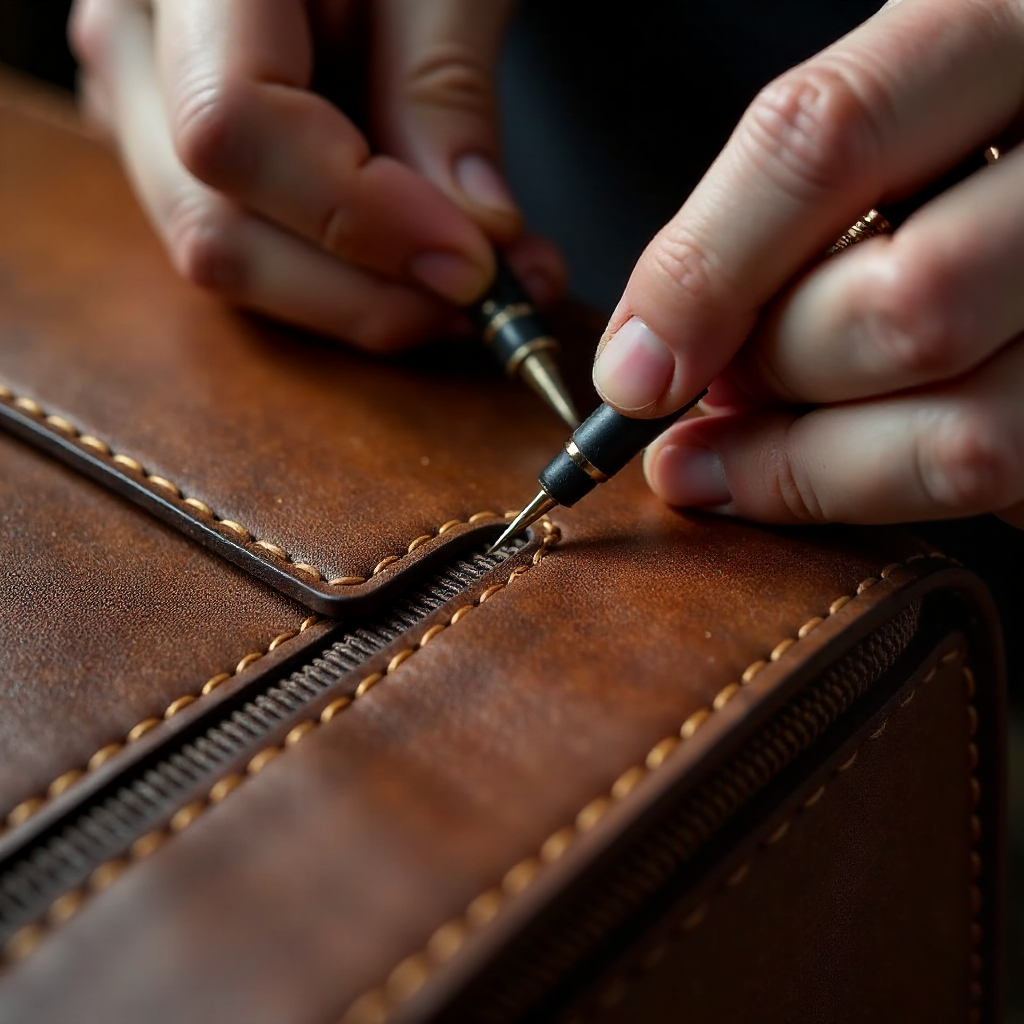
Craftsmanship is a testament to skilled artisans dedicating hours to perfect every detail, from hand-stitched leather to precision-engineered watch movements. Material quality involves sourcing rare, superior ingredients or components that often require specialized knowledge to identify and work with.
Brand heritage brings a history of excellence and authenticity, often spanning decades or centuries. For instance, iconic luxury houses like Hermès or Rolls-Royce leverage their deep-rooted stories to evoke timeless elegance and trust. The emotional connection tied to these legacies heightens the product’s perceived value.
Together, these pillars create a tangible distinction between luxury items and premium products, emphasizing why a luxury product endures in desirability and relevance.
Exclusivity and Rarity: Creating Desire Through Limited Supply
Exclusivity and rarity define luxury by making a product scarce or difficult to obtain. This scarcity drives demand, elevates status symbolism, and fosters a sense of personal pride for owners.
Luxury brands often use limited editions, numbered series, or bespoke manufacturing to restrict availability. For example, a handbag produced in only 200 pieces worldwide or a custom-made tailored suit that ensures no two customers have the same garment.
This limited supply not only reinforces the product’s uniqueness but also enhances its desirability as a collectible or a mark of distinction. Consumers crave items that set them apart from the mainstream, making exclusivity a core element of today’s luxury market.
However, achieving the right balance is crucial: while rarity can justify pricing and status, over-restriction risks alienating potential customers or creating negative perceptions if seen as artificially inflated.
Innovation Meets Tradition: How Design and Technology Shape Luxury
Luxury in 2024 embraces the fusion of innovative design and cutting-edge technology with time-honored traditions. This intersection allows brands to remain relevant and inspire awe without sacrificing their core values.
Technological integration appears in materials science, such as lightweight carbon fiber in high-end sports cars or lab-grown diamonds balancing luxury with sustainability. Digital craftsmanship tools enhance precision and bespoke customization capabilities.
Simultaneously, traditional techniques like hand embroidery, watchmaking complications, or leather tanning preserve the soul of luxury products. Designers now experiment with bold aesthetics that respect heritage while captivating modern tastes.
Examples include smartwatches by luxury brands that combine craftsmanship with connectivity, or haute couture collections that use sustainable fabrics with avant-garde silhouettes. This blend exemplifies how innovation keeps luxury aspirational but forward-thinking.
The Role of Sustainability in Modern Luxury
Sustainability has become a defining criterion of true luxury in 2024, shaping material sourcing, production methods, and brand values. Luxury consumers increasingly demand transparency and responsibility from the brands they support.
Eco-conscious luxury prioritizes ethically sourced raw materials, waste reduction, and energy-efficient manufacturing without compromising quality or exclusivity. For example, brands adopting regenerative farming for their leather or recycling precious metals maintain environmental commitment alongside craftsmanship.
Adopting sustainable practices signals a brand’s long-term vision and authenticity, aligning with the growing consumer preference for mindful consumption. It reshapes luxury from conspicuous consumption to conscientious celebration.
Nevertheless, luxury sustainability requires meeting high standards without diluting the essence of rarity and quality, presenting a complex but rewarding challenge for producers.
The Power of Experience and Personalization
Luxury today transcends products to include bespoke customer experience and personalization, reinforcing individual expression and exclusivity.
Personalization ranges from monogramming and tailored fittings to fully customized designs that reflect the wearer’s identity. This deepens emotional attachment and transforms ownership into a meaningful journey rather than a transaction.
Brands invest heavily in luxury concierge services, private showrooms, and immersive retail environments where customers feel valued and understood. These experiences cultivate loyalty and elevate the perception of luxury beyond the tangible object.
For instance, a luxury car brand offering bespoke interior materials matched to a client’s tastes or a watchmaker creating serial pieces with personalized engravings exemplify how customization creates differentiation in a crowded market.
Ultimately, seamless, thoughtful experiences combined with product excellence amplify the cachet that defines genuine luxury.
Conclusion: The Future Landscape of Luxury
The definition of luxury in 2024 is a refined tapestry woven from time-tested pillars like craftsmanship, exclusivity, and heritage, enriched by contemporary values such as sustainability, innovation, and personalization. These elements coalesce to meet the evolving expectations of a discerning global audience.
Future luxury will likely emphasize ethical production and environmental stewardship alongside emotional resonance and cultural significance. Brands that master this balance will thrive by offering not just products but immersive stories and experiences that resonate deeply.
This intersection of tradition and modernity maintains the enduring allure of luxury, ensuring it remains both aspirational and meaningful in an increasingly conscious world.
Frequently Asked Questions
What makes a luxury product different from a premium or designer item?
A luxury product stands apart by combining superior craftsmanship, rare materials, and a prestigious brand heritage with exclusivity and personalized experience. Premium or designer items may be high quality but often lack the scarcity, bespoke service, or historical legacy that hallmark true luxury.
How important is brand heritage in defining luxury today?
Brand heritage continues to be a critical luxury pillar, providing authenticity, trust, and storytelling depth. A rich legacy creates emotional value and a sense of timelessness that elevates products beyond trends, though modern luxury also integrates innovation to stay relevant.
Can sustainable practices coexist with traditional luxury values?
Yes, sustainability increasingly forms part of authentic luxury values by ensuring ethical sourcing, environmental care, and transparency without compromising material quality or exclusivity. This coexistence demands careful innovation and dedication to maintaining the essence of craftsmanship.
Why does exclusivity matter so much in luxury?
Exclusivity creates scarcity, which fuels desire and distinguishes luxury products from mass-market alternatives. It fulfills the consumer’s need for uniqueness and status signaling, reinforcing the emotional and social value luxury brands offer.
How do personalization and customer experience impact luxury status?
Personalization tailors products to individual tastes, enhancing emotional connection and uniqueness, while superior customer experiences foster loyalty and deepen brand affinity. Together, they transform luxury ownership into an exclusive, immersive journey rather than a simple purchase.