Exploring the Finest Champagnes and Sparkling Wines for Celebrations
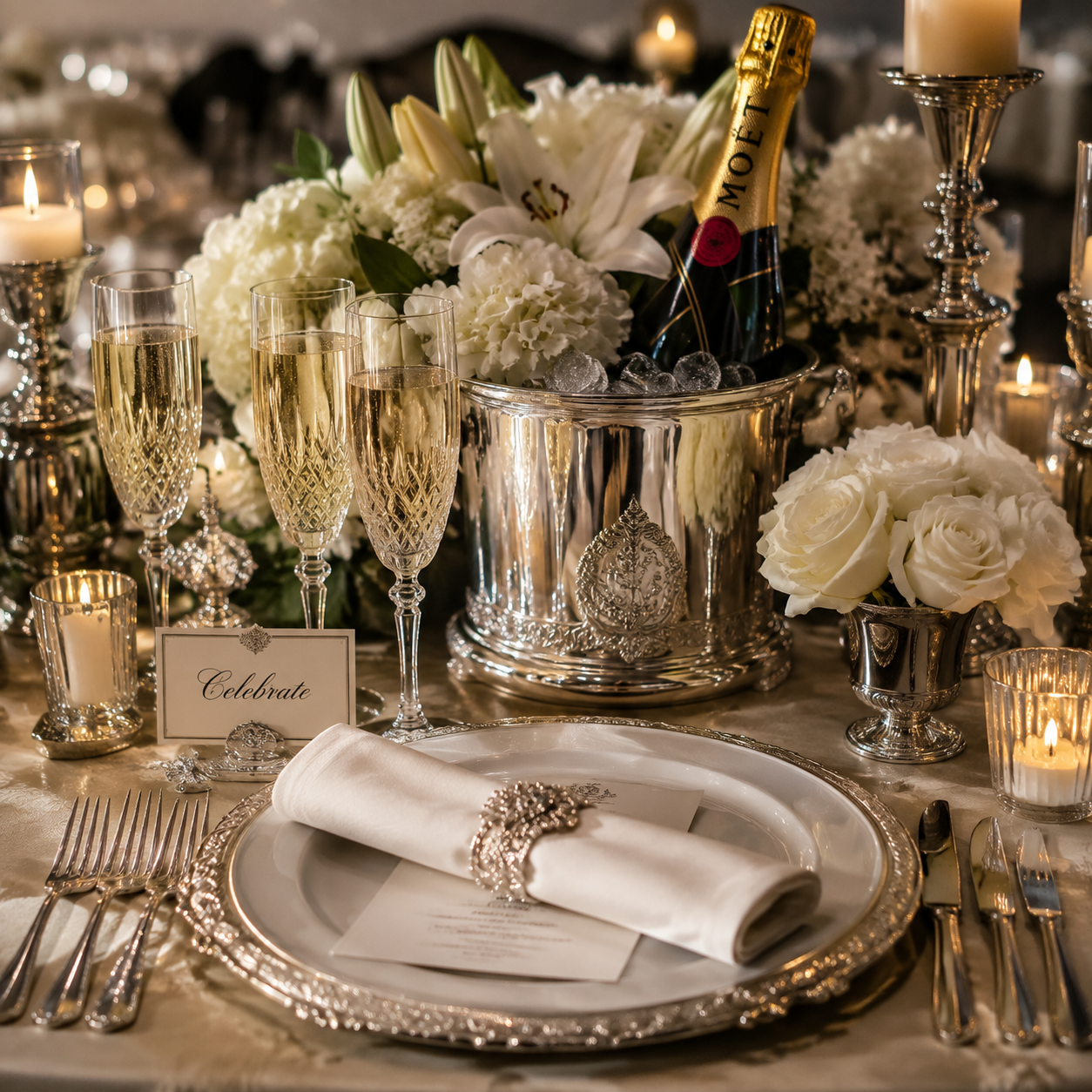
A great bottle of Champagne or sparkling wine does more than fill a glass. It creates a pause before the toast, lends ceremony to an arrival, and gives guests a shared sensory moment. For a wedding, anniversary, milestone birthday, or beautifully arranged dinner, the right bottle should suit the atmosphere as naturally as the menu.
The finest choice depends on more than prestige. Style, sweetness, texture, food pairings, presentation, and the preferences of the people around the table all matter. This guide offers a refined way to explore Champagne and sparkling wine, from classic Brut and Blanc de Blancs to Prosecco, Cava, Crémant, and rosé Champagne.
Champagne and Sparkling Wine: What Sets Them Apart?
Champagne is sparkling wine produced in France’s Champagne region under protected appellation rules, while sparkling wine is the broader category made in regions around the world. The distinction reflects place, grape varieties, production traditions, and the character each bottle brings to a celebration.
Champagne commonly uses Chardonnay, Pinot Noir, and Meunier, with the traditional method creating its characteristic mousse, fine bubbles, and layered texture. After the second fermentation in the bottle, extended contact with lees can contribute notes of brioche, toasted almond, pastry, and chalky minerality. A well-made Champagne often feels precise and persistent rather than simply effervescent.
Other sparkling wines follow their own identities. Prosecco, made primarily from Glera in northeastern Italy, is typically floral, orchard-fruited, and openly refreshing. Cava from Spain often combines citrus, stone fruit, and a more savory edge, while Crémant refers to traditional-method sparkling wines made in French regions outside Champagne.
Neither category is automatically superior for every occasion. Champagne may provide heritage and ceremony for a formal gift, whereas a fragrant Prosecco can feel more relaxed at a garden gathering. The bottle’s origin sets expectations, but the occasion and audience complete the decision.
For a useful overview of Champagne’s protected identity and production context, consult the Champagne wine reference.
The Main Styles to Know Before You Choose
Brut, Blanc de Blancs, Blanc de Noirs, rosé, and sweeter sparkling wines offer distinct levels of dryness, body, fruit character, and texture. Knowing these styles makes choosing a bottle far easier than relying on the label alone.
Brut
Brut is the most familiar dry style and a dependable choice for broad preferences. It can show green apple, lemon, white flowers, toasted grain, or subtle nuttiness, with enough freshness to work before dinner and alongside savory foods. For a large celebration where guests have varied tastes, Brut is often the safest starting point.
Blanc de Blancs
Blanc de Blancs means a white sparkling wine made from white grapes, most often Chardonnay. Expect a lighter visual impression, lively acidity, citrus, pear, chalk, and sometimes a delicate creamy finish. Its graceful precision suits wedding toasts, seafood courses, and guests who prefer freshness over richness.
Blanc de Noirs
Blanc de Noirs is made from dark-skinned grapes such as Pinot Noir or Meunier, although the wine itself remains white because the juice receives limited skin contact. It usually offers more body, red-apple fruit, spice, and structure than Blanc de Blancs. Choose it for autumn celebrations, richer dishes, or drinkers who enjoy a fuller texture.
Rosé Champagne
Rosé Champagne brings color, fragrance, and a particularly attractive gifting presence. Depending on its production, it may reveal wild strawberry, raspberry, citrus peel, and delicate savory notes. Its visual appeal makes it natural for anniversaries, romantic dinners, and milestone gifts, although the best examples remain balanced rather than sweet or overtly fruity.
sweeter styles
Extra Dry, Sec, and Demi-Sec contain progressively more residual sugar than Brut, despite the confusing name of Extra Dry. Sweeter sparkling wines can complement fruit desserts, lightly spiced dishes, and guests who find very dry wines austere. Check the exact sweetness level before buying, especially when the bottle will accompany a full meal.
Finest Champagnes for Elegant Celebrations
The finest Champagne for an elegant celebration combines balance, complexity, craftsmanship, and presentation in a way that suits the room and the people in it. Prestige matters, but a bottle’s style and condition usually create more pleasure than reputation alone.
Begin with the atmosphere. A formal black-tie dinner may call for a refined vintage Champagne or a polished prestige cuvée, while an intimate anniversary might favor a grower Champagne whose character reflects a specific vineyard and producer. A non-vintage Brut can be exceptionally appropriate when you want consistency, freshness, and generous hospitality for a larger group.
Look for a bottle that offers harmony between acidity and texture. Fine bubbles should support the wine rather than dominate it. Aromas may develop from bright citrus and orchard fruit toward pastry, hazelnut, or mineral tones, particularly in wines with extended maturation. These details matter because luxury is experienced through progression: the first pour, the second glass, and the final sip should all remain engaging.
Presentation also carries meaning. A beautifully finished label, an elegant gift box, or a distinctive rosé hue can turn the bottle into part of the celebration’s visual language. The compromise is practical: an ornate presentation may increase gifting appeal without improving the wine itself. Choose the bottle first for quality and suitability, then let appearance reinforce the gesture.
For a sophisticated selection, consider four questions:
- Does the style suit the menu and season?
- Will the guests appreciate dryness, richness, or fruit-forward character?
- Does the producer’s craftsmanship fit the significance of the occasion?
- Will the bottle be opened immediately or kept for a meaningful future toast?
Sparkling Wine Alternatives Worth Considering
Prosecco, Cava, Crémant, and other regional sparkling wines offer distinctive character and can be more suitable than Champagne when the celebration calls for floral fruit, a relaxed mood, or a different food pairing.
Prosecco
Prosecco generally emphasizes fresh pear, green apple, peach, and white flowers, with a softer, more openly aromatic style. It works beautifully for brunches, aperitif receptions, garden parties, and spritz-inspired gatherings. Choose a higher-quality bottle when you want greater texture and a drier, more composed finish.
Cava
Cava is Spain’s traditional-method sparkling wine, often offering citrus, baked apple, herbs, and a pleasingly savory character. Its structure can make it an excellent companion to tapas, almonds, shellfish, roast poultry, and salty appetizers. Cava suits hosts who want craftsmanship and gastronomic versatility without defaulting to Champagne.
Crémant
Crémant includes traditional-method sparkling wines from French regions such as Burgundy, Alsace, Loire, and Limoux. The style varies by region and grape, but many examples provide a compelling combination of fine texture, regional personality, and elegance. Crémant is especially appealing for a dinner party where the wine should invite conversation rather than perform as a status symbol.
Other sparkling categories
Lambrusco can bring lively red-fruit character and a refreshing slight sweetness to rich foods, while English sparkling wine increasingly offers bright acidity and sophisticated traditional-method texture. These options expand the celebration beyond familiar names. The key is to explain the bottle’s personality when serving it, giving guests a reason to be curious.

Choosing the Right Bottle for the Occasion
The right celebration bottle matches the event’s emotional tone, guest preferences, menu, and scale. Start with the experience you want guests to remember, then select the style that supports it.
- Weddings: A versatile Brut works well for a broad guest list, while rosé Champagne adds color and romance to photographs and formal toasts. For a large reception, prioritize reliable service temperature and enough bottles over a single overly rare showpiece.
- Anniversaries: Blanc de Blancs suits a bright, intimate dinner, while vintage Champagne or Blanc de Noirs can reward slower sipping with richer textures. Rosé Champagne makes a natural romantic gift.
- Milestone birthdays: Match the bottle to the personality. A polished prestige cuvée feels ceremonial; a distinctive Crémant or English sparkling wine may delight an adventurous host.
- Intimate dinners: Choose a wine with enough complexity to evolve in the glass. Brut Champagne, Cava, or a structured Blanc de Noirs can move comfortably from aperitif to main course.
- Festive gatherings: Prosecco and fresh Brut sparkling wine are easy to welcome with, particularly when guests arrive at different times. Keep a second, more textural bottle for the meal.
- Luxury gifts: Consider rosé Champagne, a vintage bottling, a producer with a compelling story, or a beautifully presented magnum. The gift should feel intentional rather than merely expensive.
A useful rule is the three-part fit: sensory fit, social fit, and visual fit. A wine that tastes wonderful but clashes with a sweet dessert, a casual setting, or the recipient’s preferences may be less successful than a slightly less prestigious bottle chosen with care.
Serving and Pairing Sparkling Wine with Style
Serve Champagne and sparkling wine well chilled, in clean tulip-shaped glasses, and open the bottle quietly and safely. Good service preserves the wine’s bubbles, aroma, and sense of occasion.
Chilling and glassware
Aim for approximately 8–10°C for most non-vintage sparkling wines and slightly warmer, around 10–12°C, for fuller vintage or prestige cuvées. An ice bucket with water and ice cools more evenly than a refrigerator alone. Flute glasses preserve visual sparkle, but tulip-shaped glasses usually reveal aroma and texture more effectively.
Opening technique
Remove the foil, keep one hand on the cork, and loosen the wire cage without taking pressure off the closure. Hold the cork still while turning the bottle slowly until the cork eases out with a soft sigh. The theatrical pop is tempting, but it wastes wine, disturbs sediment, and can create a safety hazard.
Pairing ideas
High acidity and effervescence make sparkling wine unusually versatile. Blanc de Blancs works with oysters, scallops, sushi, and fresh goat cheese. Brut Champagne complements fried appetizers, roast chicken, creamy sauces, and aged cheeses. Blanc de Noirs can stand alongside mushroom dishes, charcuterie, and richer poultry, while rosé Champagne pairs well with salmon, duck, berry desserts, and lightly spiced cuisine.
Pour in two stages if the wine foams vigorously, and fill glasses only one-third to one-half full. This leaves room for aroma and reduces the need for constant topping up.
A Refined Checklist for Selecting Your Celebration Bottle
Use a short selection checklist before buying: identify the style, sweetness, guest preferences, menu, budget, gifting context, and visual appeal. These factors prevent an attractive label from carrying the entire decision.
- Define the mood: ceremonial, romantic, relaxed, festive, or exploratory.
- Choose the style: Brut for versatility, Blanc de Blancs for precision, Blanc de Noirs for body, rosé for color and romance, or a sweeter style for dessert and spice.
- Consider the menu: match acidity and texture with the weight, salt, richness, and sweetness of the food.
- Estimate quantity: a standard 750-millilitre bottle yields roughly six moderate pours. For a toast-only event, plan differently than for a full evening of drinking.
- Assess the gift: add presentation, provenance, vintage significance, or a personal note when the bottle marks a major milestone.
- Protect the experience: buy from a reputable retailer, check storage conditions, chill in advance, and open with care.
The most memorable bottle is the one that feels considered. Champagne may provide grandeur, Prosecco spontaneity, Cava culinary range, and Crémant regional charm. Let the occasion decide which kind of elegance belongs in the glass.
Frequently Asked Questions
What is the difference between Champagne and sparkling wine?
Champagne is sparkling wine from France’s Champagne region made under specific appellation rules. Sparkling wine includes Champagne as well as wines produced in regions such as Italy, Spain, France’s other wine areas, England, and beyond.
Which Champagne style is best for a celebration?
Brut is the most adaptable choice for varied guests and menus. Blanc de Blancs suits lighter, fresher preferences, Blanc de Noirs offers more body, and rosé Champagne brings visual appeal and romantic character.
Is rosé Champagne suitable for gifting?
Yes. Rosé Champagne is particularly effective for anniversaries, birthdays, romantic occasions, and luxury celebration gifting because its color and presentation feel immediately special. Choose a dry, balanced example unless the recipient prefers sweeter wines.
How should Champagne and sparkling wine be served?
Chill most bottles to 8–10°C, use tulip-shaped or flute glasses, and open the bottle with a controlled twist rather than a loud pop. Pour gradually to preserve the mousse and aroma.
What sparkling wine alternatives are worth exploring?
Prosecco offers floral fruit and an informal appeal, Cava brings traditional-method structure and savory versatility, and Crémant provides regional French character. English sparkling wine and Lambrusco can also offer distinctive alternatives for adventurous celebrations.