Inside the Most Exclusive Members-Only Clubs Around the World
There are places in this world where the door doesn't open with money alone. You need the right name, the right sponsor, and sometimes, the patience to wait years for a single letter of acceptance. Private members clubs represent a category of luxury that most people will only ever read about — and that is precisely the point.
What Truly Makes a Club "Exclusive"?
True exclusivity in a private members club rests on four pillars: rigorous vetting, institutional heritage, deliberate scarcity, and an internal culture that outsiders simply cannot buy their way into. These are not hotels with a velvet rope. They are self-governing communities with standards that predate most modern corporations.
The vetting process is where most aspirants stumble. Prospective members typically require multiple sponsors — existing members who vouch personally for the candidate's character, not just their net worth. Committees review applications over months, sometimes years, weighing social reputation, professional standing, and cultural fit in equal measure. A billionaire without the right social capital can be quietly declined while a moderately wealthy barrister with impeccable connections sails through.
Scarcity is engineered, not accidental. Many of the world's most prestigious clubs cap membership at a fixed number — not because they lack space, but because dilution is the enemy of exclusivity. When everyone can join, belonging means nothing.
The Old World Institutions: London's Legendary Gentlemen's Clubs
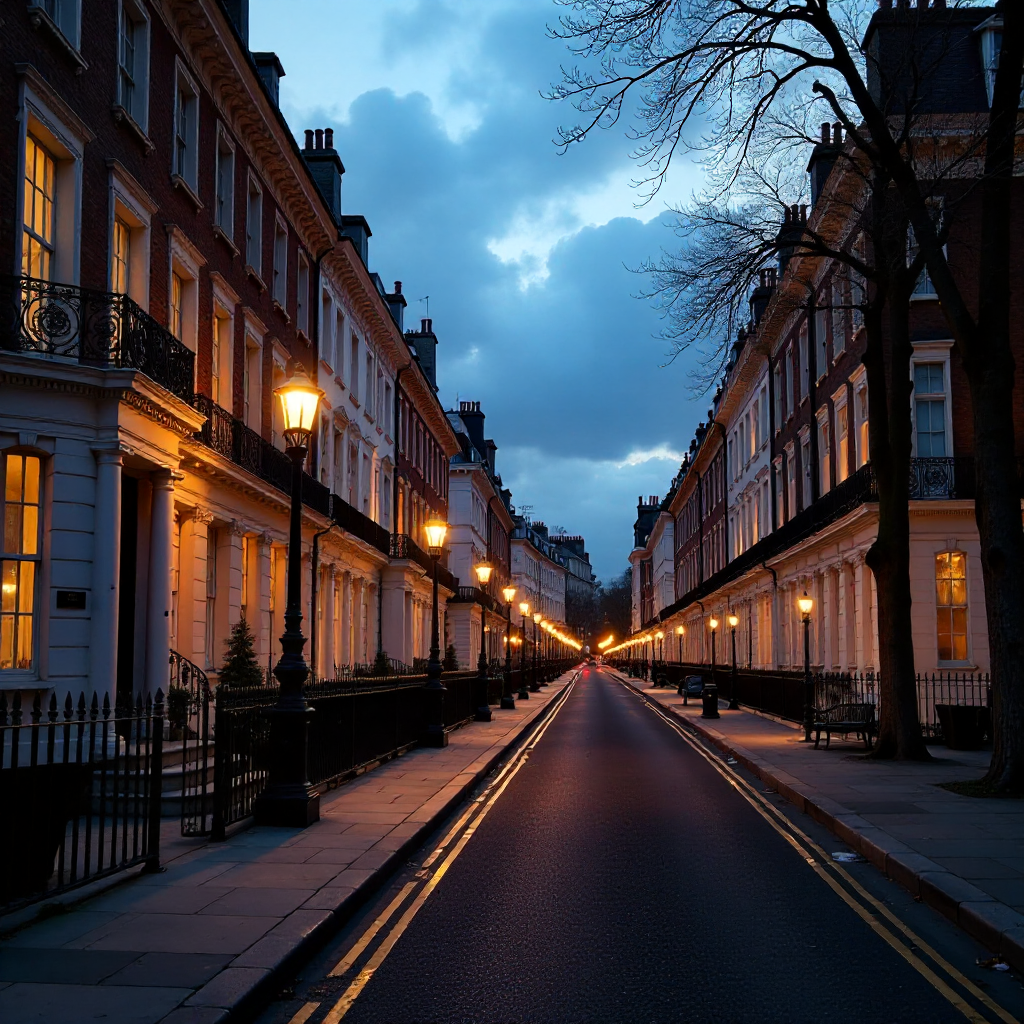
London invented the modern private members club, and its Pall Mall and St. James's establishments remain the global archetype against which all others are measured. Clubs like White's (founded 1693), the Garrick, the Athenaeum, and Boodle's carry centuries of institutional memory in their paneled walls and leather-bound guest books.
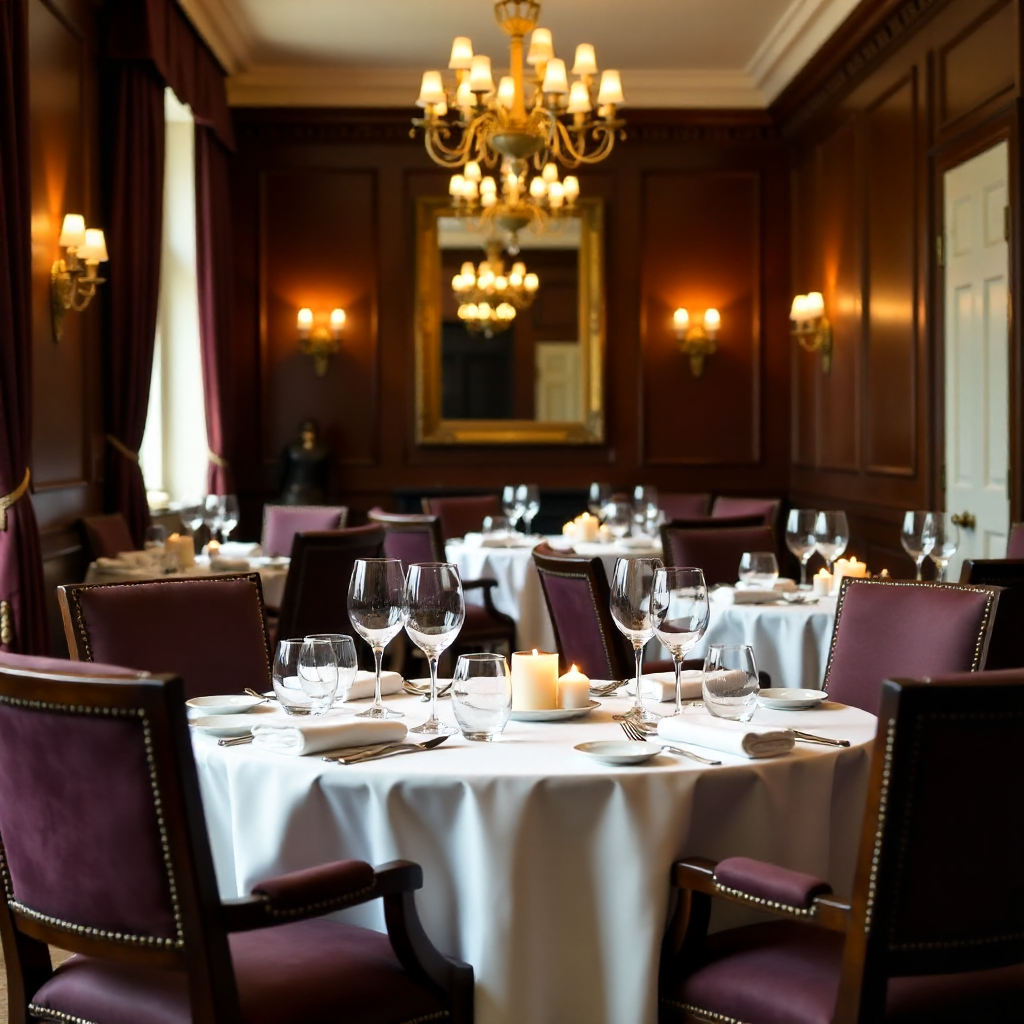
What makes these institutions remarkable is not their age alone — it's the rituals that have survived largely intact. Black-tie culture, strict dress codes enforced at the door, dining rooms where mobile phones are forbidden, and a culture of discretion so ingrained that members rarely discuss what happens inside. The architecture alone communicates permanence: marble fireplaces, oil portraits of long-dead members, wine cellars stocked with vintages that predate living guests.
The social capital concentrated in these rooms is staggering. Cabinet ministers, judges, authors, and financiers share tables in an environment deliberately designed to blur professional hierarchies. A conversation over claret at the Reform Club has shaped policy. That is not mythology — it is the entire point of the institution.
New World Power: Elite Members Clubs Across North America
American private clubs operate on a different logic — less heritage, more influence. The most coveted addresses in New York, San Francisco, and Chicago blend finance, culture, and social capital into a distinctly transatlantic model of exclusivity.
The Knickerbocker Club and the Union Club in Manhattan maintain old-money traditions, but the more culturally visible names in recent decades have been places like the Core Club and Soho House's most restricted tiers — spaces where tech founders, hedge fund managers, and creative directors occupy the same dining room. The invitation-only access model here is less about bloodlines and more about demonstrated influence in a field that the membership committee considers relevant.
What distinguishes North American power clubs is their willingness to evolve. Private art collections rotate. Guest speakers include sitting senators and Nobel laureates. The amenities — rooftop terraces, private screening rooms, chef residencies — are designed for a membership that moves fast and expects curation at every level. The culture is less about tradition and more about the quality of the room on any given evening.
Asia and the Middle East: The New Frontier of Private Luxury
The most significant growth in ultra-exclusive club culture over the past two decades has happened in Asia and the Gulf. Tokyo, Hong Kong, Singapore, and Dubai now host institutions that rival anything in London or New York — and in some cases, surpass them in sheer opulence.
Tokyo's private clubs are particularly fascinating. Rooted in a culture that values discretion above almost everything else, they are nearly invisible to outsiders. Some occupy entire floors of unmarked buildings in Minato or Chiyoda, accessible only by private elevator with a key card issued to members. The ultra-high-net-worth individuals who belong to these clubs include industrialists, political figures, and the heads of Japan's most powerful family conglomerates.
In Dubai and Abu Dhabi, the model shifts again. Clubs here often exist within branded luxury developments — private beach clubs, members-only marina facilities, and invitation-only social spaces within five-star hotel complexes — catering to a global elite that is as likely to be based in Riyadh or Mumbai as in the UAE itself. The founding heritage may be recent, but the amenities and the caliber of membership are anything but.
What Membership Actually Gets You: Amenities Beyond Imagination
The lifestyle inside the world's most exclusive clubs goes far beyond a comfortable chair and a good wine list. Membership unlocks a curated parallel world — one designed to remove friction from every aspect of life at the top.
Consider what a senior member of a top-tier London or New York club actually has access to:
- Private dining rooms with menus developed by Michelin-starred chefs, available for intimate dinners or discreet business meetings
- Cigar lounges and wine cellars with collections that include bottles unavailable on the open market
- Reciprocal access to partner clubs in other global cities — meaning a member in London can walk into a peer institution in Tokyo or Monaco with the same privileges
- Concierge services that operate at a level beyond any hotel concierge, including access to private jets, reserved allocations at sold-out cultural events, and introductions to other members
- Private spa facilities, libraries, and in some cases, overnight accommodation reserved exclusively for members and their guests
The reciprocal access network deserves particular attention. For the genuinely global elite — people who move between London, New York, Singapore, and Monaco across a single month — having a trusted social home in each city is not a luxury. It is infrastructure.
The Price of Entry: Fees, Waiting Lists, and the Art of Getting In
Getting into the world's most exclusive private clubs requires three things: money, connections, and time — and the last two matter more than the first. Annual membership fees at top-tier institutions range from the equivalent of a business-class flight to figures that would cover a luxury vehicle, depending on the club and city. Initiation fees can be considerably higher. But writing a check is the easy part.
Waiting lists at the most prestigious clubs are not managed — they are curated. Some clubs in London and New York have closed their waiting lists entirely, accepting new applications only when a current member dies or resigns. Others maintain active lists but move candidates forward based on the strength of their sponsorship, not the length of their wait.
The art of getting in involves understanding that the process is social, not transactional. Candidates who approach membership as a purchase — who emphasize their wealth over their character or their network — tend to fail. The most successful applicants are those who have already built genuine relationships with multiple existing members, who are known quantities before their name ever reaches a committee.
One practical reality: many of the world's most respected clubs actively seek members who contribute something to the room — a distinguished career, a recognized creative achievement, a record of public service. The assumption that these clubs exist purely for the already-powerful misses the point. They are designed to concentrate interesting people in the same space. Wealth is a qualifier, not a credential.
Why the World's Elite Still Choose the Club Over the Hotel
The enduring appeal of private members clubs comes down to something no five-star hotel, however exceptional, can manufacture: genuine belonging. A suite at the Aman or a villa at the Four Seasons offers privacy and service. It does not offer community.
Inside a club, the person sitting across the room is not a stranger — they are a vetted peer who passed the same process, shares the same standards, and operates within the same culture of discretion. That mutual recognition creates a quality of ease that money alone cannot buy. Conversations happen differently. Business is discussed differently. Friendships form at a different depth.
There is also the question of identity. Club membership signals something about who you are in a way that hotel loyalty programs and private aviation memberships simply do not. It places you within a lineage — of members past, of institutional values, of a particular vision of how life at the highest level should be lived.
For the global ultra-high-net-worth individual navigating a world of extraordinary options, the private members club remains one of the few spaces that feels genuinely irreplaceable. The architecture, the rituals, the faces across the dining room — these things accumulate into something that no amount of personal wealth can simply construct from scratch.
Frequently Asked Questions
What is the difference between a members-only club and a private social club?
A members-only club restricts access to vetted, dues-paying members and their approved guests. A private social club is a broader term that includes any organization limiting participation to its membership — from golf clubs to business associations. The distinction matters in the context of elite institutions: the most prestigious clubs combine invitation-only access with a formal vetting process, making them a subset of private social clubs defined by exceptionally high barriers to entry.
How long are typical waiting lists for the world's most exclusive clubs?
Waiting periods vary enormously. Some heritage clubs in London operate on timelines measured in decades for certain categories of membership. Others manage shorter lists but move candidates forward based on sponsorship quality rather than time served. A few of the most exclusive institutions have suspended waiting lists entirely. There is no universal answer — and that ambiguity is itself part of the design.
Can members bring guests to private clubs?
Most clubs permit members to bring guests, though with conditions. Guest policies vary: some clubs limit the frequency with which the same guest can visit, others restrict guests from certain areas of the club, and a few require that guests be formally introduced to club staff. The underlying principle is that the member takes personal responsibility for their guest's conduct — which is consistent with the broader culture of accountability that defines membership.
Are there exclusive clubs that accept international members?
Yes, and many actively seek them. Clubs with strong reciprocal networks — where membership grants access to partner institutions in other cities — often have international membership categories designed for individuals who are based abroad but spend significant time in the club's home city. Some of the most globally connected clubs in London and New York count members from dozens of countries.
What types of professionals or backgrounds do elite clubs typically look for?
The profile varies by institution. Heritage clubs in London have historically favored law, politics, the arts, and the military. Contemporary power clubs in New York and San Francisco weight finance, technology, and media. What almost all elite clubs share is a preference for candidates who are recognized within their field — not simply wealthy, but distinguished. Character references, professional reputation, and the quality of existing member relationships matter more than any single credential.