Luxury Real Estate: A Tour of the World’s Most Extravagant Homes
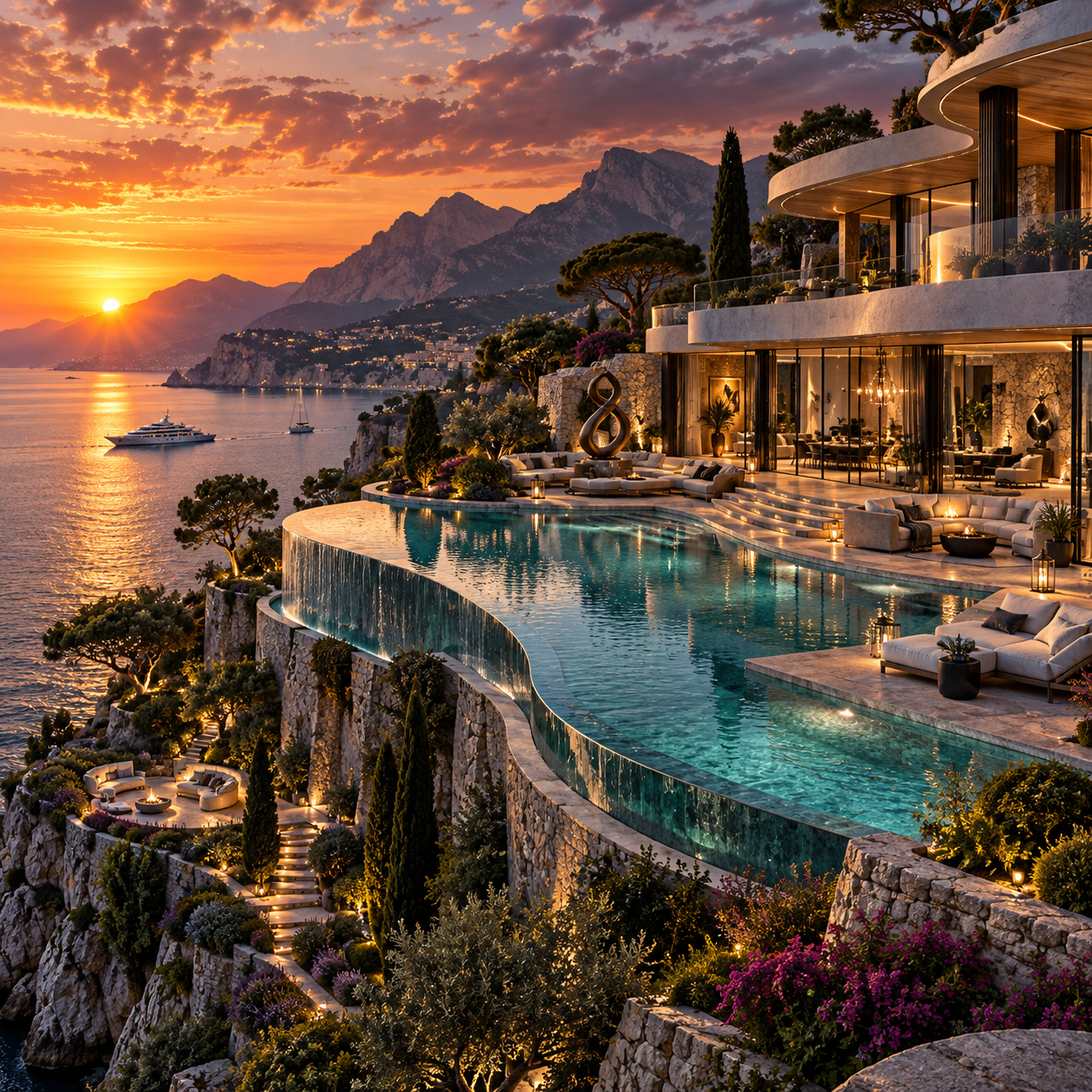
Luxury real estate is best understood as an experience of place. The world’s most extravagant homes may occupy penthouses above global capitals, secluded compounds on tropical islands, or historic estates surrounded by countryside, yet they share a defining quality: every detail has been considered for a particular way of living.
Scale still matters, but it is only one part of the story. **Bespoke architecture**, rare craftsmanship, privacy, technology, wellness, and a close relationship with landscape now shape the meaning of an ultra-luxury home. The result feels less like a conventional residence and more like a private world, designed around its owner’s habits, interests, and sense of arrival.
What Defines an Extravagant Home?
An extravagant home combines exceptional design, craftsmanship, privacy, and personalized service in a residence shaped around its owner. Its distinction comes from the quality and coherence of the experience, rather than square footage or price alone.
In high-end property, buyers may expect premium finishes, generous entertaining areas, and a desirable address. Ultra-luxury homes go further by making those elements feel singular. A stone staircase may be carved for one interior, a library may be built around a private collection, and a bedroom may open directly onto a carefully framed view.
Exclusivity also has several dimensions. It can mean a rare waterfront setting, limited access, architectural importance, or a degree of seclusion that is difficult to reproduce. In a city, exclusivity may come from a private elevator, a discreet entrance, and uninterrupted skyline views. In the countryside, it may be measured in acres of protected landscape and the absence of neighboring development.
- Craftsmanship: hand-finished joinery, bespoke metalwork, stone detailing, and custom lighting.
- Personalization: rooms and circulation designed around individual rituals, collections, and entertaining styles.
- Rarity: an exceptional setting, unusual architectural provenance, or access that cannot easily be replicated.
- Service infrastructure: staff areas, secure deliveries, private parking, guest accommodation, and operational spaces hidden from view.
The most convincing residences also create emotional continuity. Materials, views, sound, light, and movement work together, so the house feels composed rather than assembled.
The World’s Most Coveted Luxury Locations
The world’s most coveted luxury locations offer a powerful combination of access, beauty, privacy, and cultural identity. Global capitals, Mediterranean enclaves, tropical islands, mountain regions, and private countryside each create a different version of exceptional living.
Urban luxury is defined by proximity. A penthouse in a major financial or cultural capital can place restaurants, galleries, fashion houses, and business districts within minutes, while its interiors provide a protected retreat above the city. Private lifts, panoramic terraces, and carefully engineered acoustics become as important as the address itself.
Mediterranean locations offer another language of luxury. Waterfront estates and hillside villas connect indoor rooms with terraces, shaded loggias, gardens, and the sea. Local stone, pale plaster, timber, and water features often create a natural dialogue with the climate and regional architecture.
Tropical islands emphasize seclusion and sensory pleasure. Open-air pavilions, dense planting, private beaches, and shaded courtyards allow the boundaries between home and landscape to soften. The trade-off is practical: humidity, storms, access, and maintenance demand specialized planning.
Mountain retreats and private countryside settings offer stillness, scale, and seasonal variety. A residence may be organized around a fireplace, a framed alpine view, an equestrian landscape, or a long approach through mature trees. Here, privacy is often created by geography rather than walls.
Across these settings, location does more than establish prestige. It determines the rhythm of the home: whether life revolves around city culture, ocean light, outdoor entertaining, winter sports, or the quiet of a protected landscape.
Architectural Grandeur and Bespoke Design
Bespoke architecture makes an ultra-luxury residence feel inseparable from its setting and its owner. It uses structure, materials, light, and proportion to create a home that could not be casually transferred to another site.
Some residences favor sculptural modernism, with broad glass walls, cantilevered forms, and sharply controlled lines. Others draw from historic languages, interpreting classical symmetry, Mediterranean courtyards, or rural vernacular details through contemporary construction. Neither approach is inherently more luxurious; the test is whether the design feels appropriate and deeply resolved.
Interior design carries the same responsibility. A private gallery may require carefully calibrated daylight, while a formal dining room might be designed around acoustics, circulation, and views toward a garden. Materials can include book-matched marble, hand-applied plaster, aged timber, silk wall coverings, and custom textiles, but abundance without restraint quickly becomes visual noise.
Exceptional homes also choreograph discovery. A compressed entrance can open into a double-height living room. A concealed door may lead to a wine cellar or screening room. A long corridor can become a gallery, ending with a single framed view of water, forest, or distant city lights.
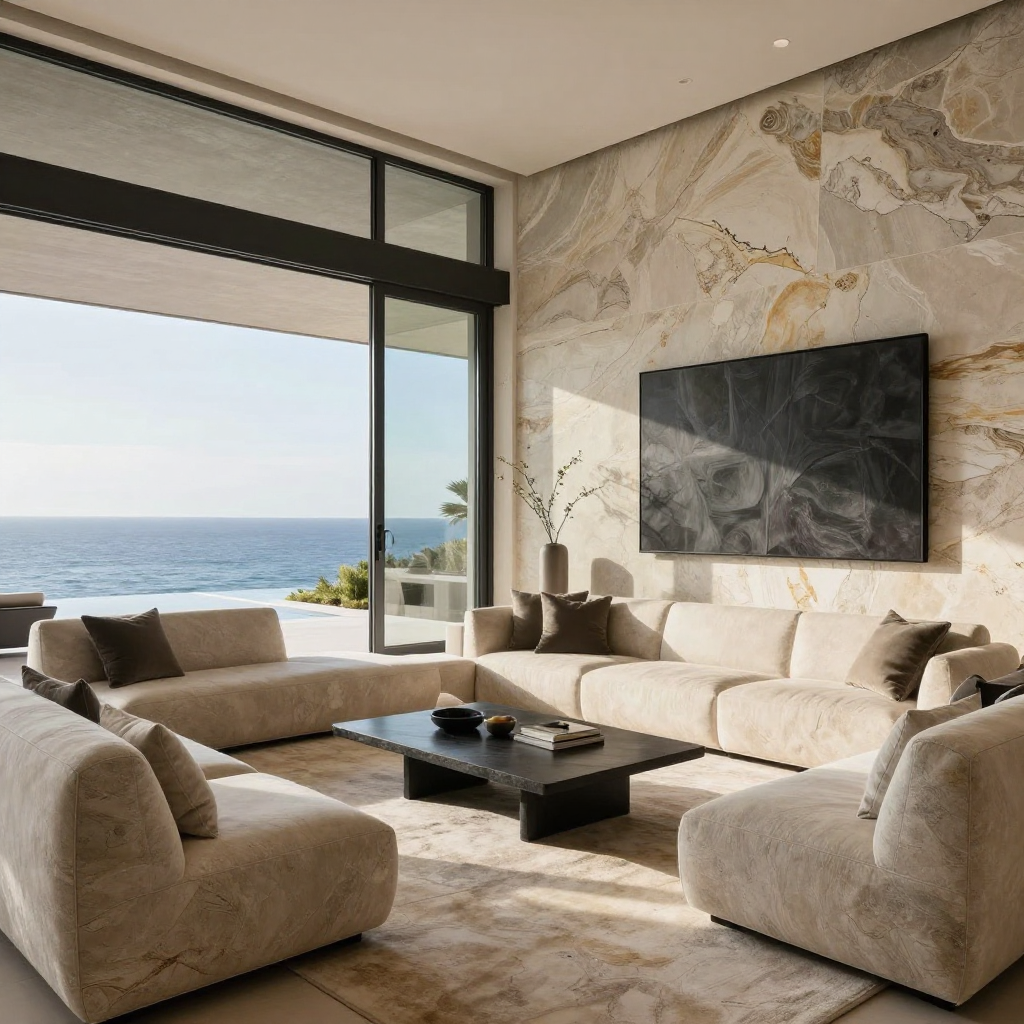
The strongest designs balance drama with comfort. A spectacular staircase may define the arrival sequence, but everyday luxury is found in details such as warm floors, quiet doors, useful storage, natural ventilation, and furniture that invites people to stay.
Amenities That Turn a Residence Into a Private Resort
Private amenities turn a luxury residence into a personal resort by bringing wellness, entertainment, hospitality, and leisure into one carefully managed environment. Their value lies in how naturally they support daily life.
An infinity pool can extend a horizon, while a smaller indoor pool may serve year-round fitness. Wellness suites increasingly combine treatment rooms, saunas, steam rooms, yoga studios, gyms, and recovery areas. These spaces work best when they receive natural light and remain close enough for regular use, rather than existing as impressive but isolated additions.
Entertainment zones are equally tailored. A private cinema can be acoustically separated from bedrooms, a wine cellar can double as a tasting room, and a gallery may connect to reception areas without making the house feel like a museum. Outdoor kitchens, fire terraces, sports courts, and landscaped lawns expand the residence into a sequence of settings for different moods.
- Infinity and indoor pools designed for views, exercise, and year-round use.
- Wellness suites with treatment rooms, saunas, steam rooms, gyms, and meditation spaces.
- Private cinemas, music rooms, libraries, galleries, and temperature-controlled wine cellars.
- Landscaped grounds with water gardens, orchards, sculpture paths, and discreet entertaining areas.
- Guest wings and staff facilities that preserve comfort and privacy for everyone on the property.
The key question is not how many amenities a home contains. It is whether each one has a clear relationship to the owner’s lifestyle and whether the architecture makes moving between them feel effortless.
Technology, Privacy, and Seamless Living
Modern luxury depends on technology that remains largely invisible, while privacy and security are designed into the property from the beginning. The goal is a calm environment in which complex systems respond quietly to human needs.
Integrated smart-home technology can coordinate lighting, climate, shading, entertainment, access, irrigation, and energy use through one control platform. Scenes may adjust a room for dinner, a film, sleep, or morning light. Voice control has a role, but tactile panels and simple manual overrides remain essential when reliability matters.
Privacy begins with the site plan. Separate arrival routes, screened gardens, secure garages, private lifts, and carefully positioned windows can protect residents without making the property feel fortified. Security systems may combine layered access control, surveillance, perimeter detection, and secure communications, all concealed within the architecture.
Service design is another overlooked marker of quality. Deliveries, housekeeping, catering, maintenance, and staff movement should occur without interrupting family life or entertaining. Choosing maximum automation for convenience means accepting greater dependence on maintenance, software updates, and specialist support, so robust systems and human oversight remain valuable.
In the finest residences, technology does not compete with architecture. It adjusts the atmosphere, protects the occupants, and removes friction from ordinary routines.
The New Meaning of Sustainable Luxury
Sustainable luxury in real estate combines environmental responsibility with comfort, durability, and design quality. It may include passive solar planning, efficient systems, responsible materials, water management, and landscape preservation.
Orientation is often the first decision. Window placement, shading, thermal mass, cross-ventilation, and planting can reduce reliance on mechanical cooling and heating. High-performance glazing, heat pumps, smart energy management, and on-site renewable generation can then support a more efficient operating model.
Material choices matter as well. Reclaimed timber, responsibly sourced stone, low-emission finishes, recycled metals, and durable surfaces can reduce environmental impact while adding texture and character. A material that lasts for decades may be more sustainable than a fashionable alternative requiring frequent replacement.
Landscape preservation gives sustainable luxury a visible dimension. Mature trees, native planting, permeable surfaces, rainwater collection, and carefully managed irrigation can protect local ecology while making gardens feel more established. Waterfront estates must also consider erosion, storm exposure, and the long-term resilience of coastal construction.
Environmental performance should be verified rather than assumed. Standards such as ENERGY STAR guidance from the U.S. Department of Energy can help explain efficiency principles, although certification systems and local building requirements vary by country. Sustainable choices may increase design complexity or upfront costs, but they can improve comfort, resilience, and the long-term quality of the residence.
What Makes These Homes Truly Exceptional?
The most exceptional luxury homes unite location, craftsmanship, personalization, privacy, and lifestyle value into one coherent experience. Their impact comes from rarity and precision, rather than excess in isolation.
A remarkable urban penthouse should feel connected to its city without surrendering sanctuary. A coastal estate should make the water part of daily life while respecting weather, ecology, and privacy. A mountain retreat should frame the landscape without overwhelming it. The setting establishes the question; bespoke design provides the answer.
There is also a difference between spectacle and staying power. Trend-driven amenities can date quickly, while excellent proportions, durable materials, adaptable rooms, and thoughtful service infrastructure remain relevant. This is why the most memorable residences often reveal their quality slowly, through comfortable light, quiet technology, precise detailing, and the ease of everyday movement.
Luxury real estate at its highest level is therefore a form of personal world-building. It gives architecture a sense of place, turns privacy into peace of mind, and makes hospitality feel effortless. The final measure is simple: whether the home offers an experience that could belong nowhere else.
Frequently Asked Questions
What features are common in the world’s most luxurious homes?
Common features include bespoke architecture, waterfront or highly private settings, custom interiors, wellness suites, infinity pools, private cinemas, wine cellars, galleries, landscaped grounds, integrated smart-home technology, and discreet security. The exact combination depends on the location and the owner’s lifestyle.
Which locations are best known for luxury real estate?
Luxury real estate is associated with global capitals, Mediterranean enclaves, tropical islands, mountain retreats, and secluded countryside estates. The best setting depends on whether the priority is cultural access, oceanfront living, climate, privacy, outdoor recreation, or proximity to a major city.
How does technology enhance an ultra-luxury residence?
Technology coordinates lighting, climate, shading, entertainment, access, security, irrigation, and energy systems. When properly integrated, it reduces daily friction and improves comfort while remaining visually discreet. Reliable manual controls and professional maintenance are still important.
What does sustainable luxury mean in real estate?
Sustainable luxury means combining environmental performance with exceptional comfort and design. It can involve passive design, efficient energy systems, responsible materials, water conservation, native landscaping, and protection of the surrounding ecosystem.