Sustainable Luxury: How High-End Brands Are Embracing Eco-Consciousness

Luxury has long been associated with exceptional materials, careful workmanship and objects designed to last. Today, those qualities are being reconsidered through a more demanding lens: where did the materials come from, how were they made, and what happens when the owner is ready to move on?
Sustainable luxury describes an effort to answer those questions without losing the qualities people seek in high-end design. It is a direction rather than a guarantee. A beautiful product may still carry a significant carbon footprint or rely on an opaque supply chain, so discerning shoppers need to look beyond the label.
What Sustainable Luxury Means Today
Sustainable luxury combines environmental responsibility and ethical production with the quality, design and service expected of a luxury product. It considers the product’s full life, from raw materials and manufacturing to care, repair and eventual resale or recycling.
The idea is broader than choosing a material described as eco-friendly. A responsible assessment asks whether a product is well made, whether its makers are treated fairly, whether its environmental impacts are understood, and whether the item can remain useful for years. Durability matters, but it does not automatically cancel out impacts from resource-intensive production or transport.
That distinction helps explain why luxury is not inherently sustainable. Exclusivity can support slower production and skilled craftsmanship, yet limited editions, frequent launches and resource-heavy materials can also encourage overconsumption. The meaningful shift is from treating sustainability as a design detail to considering it at every stage of a product’s life.
For shoppers, a useful test is the whole-life view: assess what goes into an item, how it is made, how long it can be used, and what options exist afterward. A brand that discusses only packaging or a single recycled component is offering a narrow picture.
Rethinking Materials and Sourcing
Responsible sourcing starts with choices made before a product reaches the atelier: which materials are selected, where they come from, and what their production means for people and ecosystems. Recycled and regenerative materials can help, but each needs to be assessed in context.
Recycled fibers, metals and other inputs may reduce reliance on newly extracted resources, though their environmental benefits depend on how they are processed and whether they retain the required quality. Regenerative materials aim to support healthier ecosystems and production practices, but the term can mean different things across supply chains. Shoppers should look for clear definitions and evidence rather than assuming a label proves an outcome.
Natural materials also involve trade-offs. Leather, wool, cotton and precious metals can be durable or repairable, yet their impacts vary with farming, tanning, dyeing, mining and processing methods. Synthetic alternatives may avoid some concerns while introducing others, including fossil-fuel inputs or challenges at end of life. There is no single material that solves every problem.
A high-end brand can make better-informed choices by tracing inputs to their origin, setting standards for suppliers and explaining where information is incomplete. For a shopper, useful questions include:
- Does the brand identify the material and its source, rather than relying on broad terms such as “conscious”?
- Can it explain what recycled or regenerative means for this specific product?
- Does it describe how materials are processed, dyed or finished?
- Are animal-derived or mined materials supported by sourcing standards that can be checked?
Responsible sourcing may raise costs, limit available colors or textures, or make production slower. Those compromises are more credible when the brand explains them plainly.
Craftsmanship, Durability, and Circularity
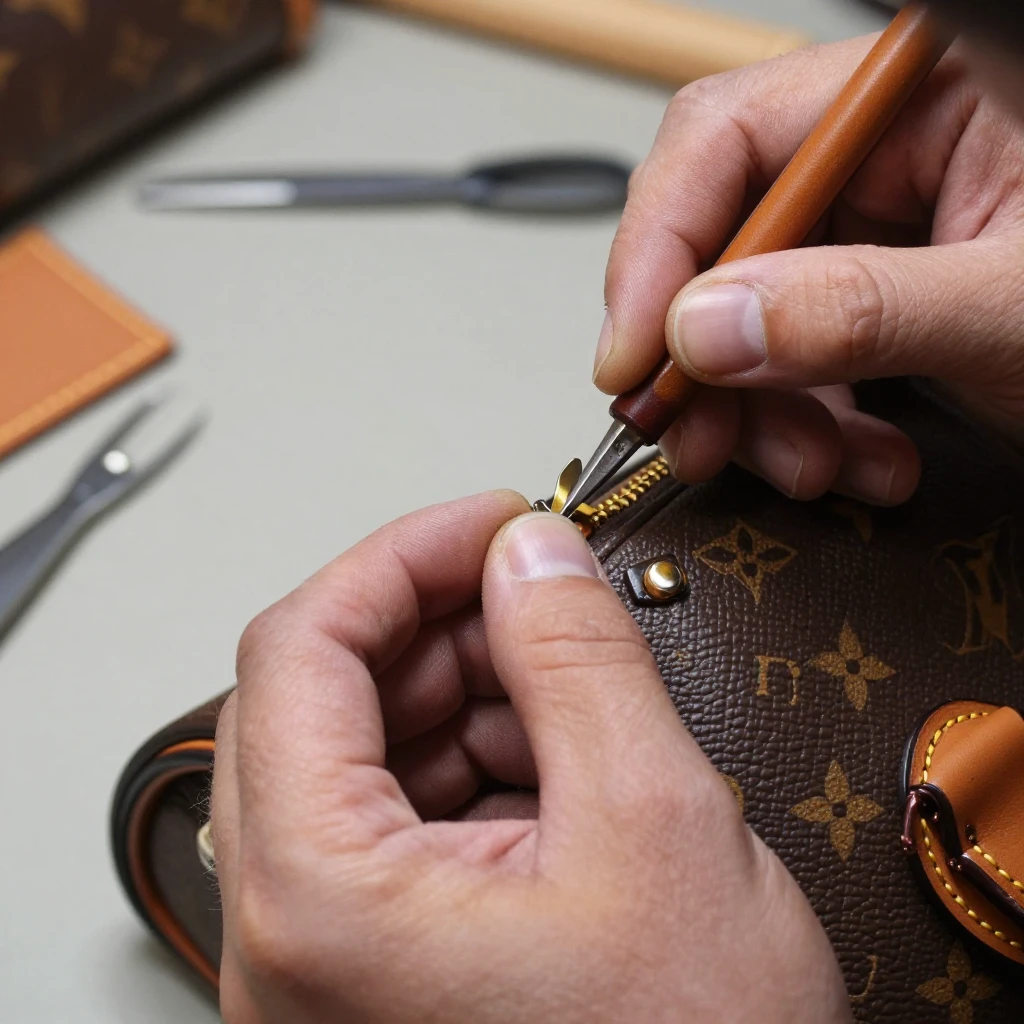
Craftsmanship supports circularity when a product is designed to be cared for, repaired and kept in use, rather than replaced at the first sign of wear. Repair and resale can extend a product’s useful life, although they do not remove the impacts of making it in the first place.
Construction choices matter. Replaceable components, accessible seams and materials that age well can make repair more practical. So can a brand’s willingness to provide skilled maintenance, spare parts or clear care guidance. A lifetime-service promise is only useful if customers can access it and if the item can actually be restored.
Circular fashion seeks to keep products and materials in use for longer through care, repair, resale and, where possible, recycling. For luxury goods, resale can connect a well-made piece with another owner. It can also preserve value, but resale alone does not prove that a brand has reduced new production or its total environmental footprint.
Before buying, consider the item’s likely role in your wardrobe or home. Will you use it often? Does it suit your needs beyond a passing trend? Can it be maintained locally, or will repairs require shipping it elsewhere? Choosing a piece you will genuinely keep and use is a practical contribution to a longer product life.
Making Supply Chains More Transparent
Supply-chain transparency means giving people useful information about where products and materials come from, how they are made and what standards suppliers must meet. It helps brands identify risks and gives shoppers a basis for judging claims, though transparency by itself does not guarantee good performance.
Luxury supply chains can include farms, tanneries, mills, workshops, finishing facilities and transport providers across several countries. A brand may know its direct supplier but have limited visibility further upstream. Clear reporting should acknowledge that complexity instead of suggesting every link is already fully mapped.
Look for specifics: named standards, supplier engagement, traceability methods, progress updates and explanations of what remains unknown. A useful report distinguishes between a commitment, an action already taken and a measured result. For example, a target to map suppliers is not the same as a published map, and neither is proof that working conditions or environmental outcomes meet expectations.
Accountability also depends on how brands respond when problems surface. Responsible companies need processes to address labor concerns, environmental harm and supplier non-compliance, not simply a polished story about heritage and handwork. Transparency builds trust when it includes limits as well as achievements.
The Challenge of Measuring Progress
Measuring sustainable luxury is difficult because a product’s impact can come from many stages, and brands may use different boundaries, methods and terms. Without consistent, verifiable information, attractive claims can be hard to compare and easy to overstate.
A lower-impact material may still require energy-intensive processing. A long-lasting item may have a high production footprint. A resale program may keep some products in circulation while a company continues to increase new output. These tensions do not make progress meaningless; they show why one positive feature cannot stand in for a full assessment.
Greenwashing occurs when environmental or social claims create a misleading impression, whether through vague language, selective facts or unsupported promises. Watch for broad phrases such as “planet-friendly” without a defined scope, a single green feature presented as proof of overall sustainability, or targets with no timeline and no updates.
Be cautious, too, of comparing brands based on a single headline metric. Carbon footprint estimates can depend on assumptions about materials, manufacturing, transport and product lifespan. A credible claim should state what was measured, how it was assessed and what the figure does not include. Independent verification can help, but it should not replace clear methods or meaningful disclosure.
The most useful question is not whether a brand is “sustainable” in absolute terms. Ask what it has changed, what evidence supports the claim, and where the remaining impacts sit.
How to Shop for Sustainable Luxury
To shop for sustainable luxury, assess a product’s materials, sourcing, construction, care and end-of-life options before treating a brand’s sustainability language as proof. A few targeted questions can reveal whether the item fits your values and your real life.
Use this five-part check while browsing or speaking with a sales associate:
- Material: What is the main material, where does it come from, and what does the brand mean by recycled or regenerative?
- Making: Who made the item, and what information does the brand provide about production and labor standards?
- Longevity: Is the design likely to stay useful, and can it be repaired or maintained?
- Movement: Does the brand offer repair, resale, take-back or other practical options when you no longer need the product?
- Evidence: Are claims specific, current and supported by reporting or independent verification?
Then consider your own pattern of use. A secondhand piece may be a sensible choice if it meets your needs and can be authenticated and maintained. Buying pre-owned luxury can extend an item’s life and reduce demand for a new purchase, but the benefit depends on whether it truly replaces new consumption. Shipping, restoration and the item’s original production also matter.
Price is not a reliable sustainability signal. A high price may reflect design, labor, brand value or scarcity; it does not automatically indicate responsible sourcing. Likewise, a repair service is valuable only if it is accessible and suited to the product. Choose the item you expect to use for years, and ask for details the brand can substantiate.
Frequently Asked Questions
These answers summarize the practical tests shoppers can use to assess sustainable luxury, greenwashing, pre-owned purchases and product quality.
What makes a luxury product sustainable?
A luxury product is more sustainable when its materials and production are responsibly managed, its supply chain is transparent, and its design supports long use, repair and resale. No single feature proves sustainability; consider the product’s full life and the evidence behind the brand’s claims.
How can shoppers spot greenwashing?
Look for vague claims without definitions, evidence or a stated scope. Ask what was measured, when, and by whom. Be wary when one recycled material or charitable initiative is presented as proof that an entire company or product has a low impact.
Is buying pre-owned luxury more sustainable?
It can be, especially when it replaces a new purchase and keeps a durable item in use. The benefit is less clear if resale encourages additional buying, or if extensive restoration and transport are required. Condition, authentication and realistic use all matter.
Does sustainable luxury mean compromising on quality?
No. Sustainable luxury can prioritize excellent materials, careful construction and repairability. Some responsible sourcing choices may limit particular finishes or increase cost, but durability and skilled craftsmanship can align with high quality rather than diminish it.