The Allure of Limited Editions and Collector’s Items in Luxury Goods
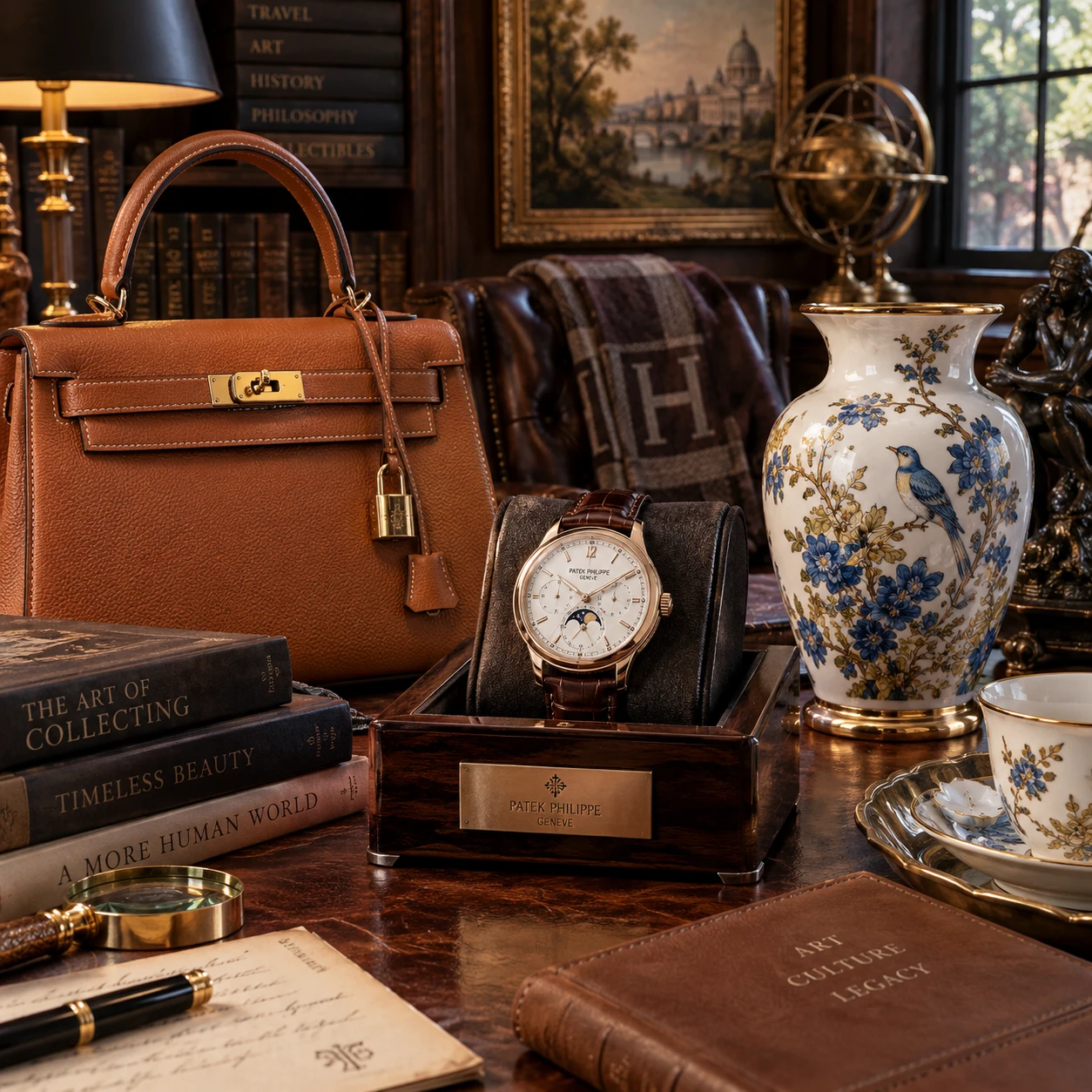
A limited-edition watch, a numbered handbag, or a piece of design made in collaboration with an artist can hold attention long after its launch. These objects combine the pleasure of fine materials and skilled making with a sense of rarity, history, and personal connection.
That appeal is more layered than a small production run. For collectors, the most compelling luxury goods bring together distinctive design, credible provenance, and a story that feels worth living with. Scarcity may start the conversation; it rarely explains the whole attraction.
Why Rarity Captures Attention
Rarity captures attention because limited editions offer restricted access to objects that few people can own. In luxury collectibles, that scarcity can make a piece feel distinctive, but it does not automatically make it valuable or well made.
Brands create limited runs for different reasons: a milestone anniversary, a particular material, a regional release, or a collaboration with an artist or craft specialist. Numbered production can give buyers a clearer sense of a piece’s place within a series. A watch made in a run of 500, for example, has a defined production context, though the number alone says little about its long-term desirability.
Exclusivity is most persuasive when it has substance. A thoughtful design or unusual technique gives collectors something to appreciate beyond the difficulty of obtaining the item. By contrast, scarcity created mainly through a short sales window may generate urgency without lasting cultural or aesthetic interest.
Availability can also shape the experience. Some editions are offered through boutiques, while others require a relationship with a retailer or access to a specific launch. That can make acquisition feel special, but it also risks turning collecting into a race. A useful test is simple: would the piece still appeal if it were easy to buy?
Craftsmanship, Heritage, and a Story Worth Owning
Craftsmanship and brand heritage distinguish collectible luxury pieces when they are visible in the object’s design, materials, and making. A strong story helps explain why a piece matters; it cannot replace sound construction or thoughtful design.
Collectors often look closely at details that are easy to miss in a campaign image: the finish of a watch movement, the handwork in a leather edge, the consistency of a ceramic glaze, or the precision of a clasp. The maker’s expertise can turn a familiar form into a piece with character. In some editions, traditional techniques are preserved; in others, new materials or a contemporary artist’s perspective create a meaningful departure.
Heritage adds context, not an automatic guarantee of quality. A house’s archives, signature motifs, and earlier designs may help explain an object’s place in a longer design conversation. Yet reputation should not stop a buyer from examining construction, condition, and documentation. A celebrated name can produce ordinary work, just as a less familiar maker can create an exceptional collectible.
Look for a connection between the story and the object. If a release celebrates a craft tradition, can that tradition be seen in the piece? If it references an archival design, has the form been adapted with care? When the answer is yes, the narrative deepens ownership rather than serving as decoration.
The Emotional and Cultural Pull of Collecting
Luxury collecting appeals emotionally because objects can carry memories, express identity, and connect people to a particular culture or moment. Collector communities add shared knowledge and conversation, while the meaning of a piece remains personal.
A first serious watch might mark a professional milestone. A handbag may recall a family member who valued design. A print or object from a collaboration may represent an interest in a particular artist. These associations are part of an item’s private value, even when they do not appear in an auction record.
Collecting also creates ways to participate in design history. Enthusiasts compare versions, discuss makers, and notice how a house’s style changes over time. Online groups, specialist fairs, salons, and auction previews can all bring collectors together. These communities can be generous sources of knowledge, though opinions and market enthusiasm vary. Independent research still matters.
Personal meaning is a sound reason to collect. Status may be part of luxury ownership, but it need not be the main purpose. A collection built only around what is difficult to obtain can become expensive and impersonal. Choosing pieces that fit your interests gives the collection coherence and makes it more enjoyable to live with.
Choosing a Piece: Passion, Provenance, and Practicality
Choose a luxury collectible by balancing personal appeal with provenance, authenticity, condition, and the realities of ownership. A clear process reduces the chance of buying a piece whose story or upkeep does not hold up.
Start with the object rather than the hype. Consider whether its design suits your taste, whether the maker’s work interests you, and whether you would enjoy owning it without an expectation of resale profit. Then assess the practical details:
- Provenance: Ask for a documented ownership history, original purchase receipt where available, and any records linking the item to a maker, retailer, or collection.
- Authentication: Check serial numbers, hallmarks, edition numbering, materials, and construction against reliable brand or specialist guidance. For high-value purchases, use an independent specialist.
- Condition: Request clear photographs and disclose any repairs, replacements, restoration, or wear. For watches, ask about service history; for leather goods, inspect corners, lining, and hardware.
- Completeness: Original packaging, certificates, accessories, and care documents can support the item’s history, although their absence does not by itself prove an item is inauthentic.
- Ownership costs: Consider insurance, servicing, secure storage, and transport before buying.
Buy through a reputable boutique, auction house, or established specialist, and keep written records of what was represented. If a seller rushes you, refuses reasonable questions, or offers a price that seems implausible, pause. The pressure to secure a scarce item can make careful judgment harder precisely when it matters most.
Value Beyond the Price Tag
The value of a luxury collectible can include enjoyment, cultural significance, craftsmanship, and resale potential, but future appreciation is never guaranteed. A limited edition may lose value, remain difficult to sell, or trade below its original retail price.
Resale value depends on more than scarcity. Condition, authenticity, provenance, market demand, edition size, and the reputation of the maker all play a part. Taste also shifts. A release that attracts intense attention at launch may have a smaller audience later, while an overlooked design can become sought after for reasons that are difficult to predict.
Treat resale as a possibility, not a promise. Before purchasing, compare recent completed sales for the same model or edition rather than relying on asking prices. Remember that commissions, shipping, insurance, taxes, and restoration can reduce what a seller ultimately receives. Even reliable market information is a snapshot, not a forecast.
A balanced approach is to set a budget based on what you can comfortably afford to own. If the piece appreciates, that may be welcome. If it does not, the purchase should still make sense because you value the design, the making, or the connection it represents. That standard keeps collecting grounded when market attention moves elsewhere.
Caring for a Luxury Collection
Care for luxury collectibles by controlling their environment, following maker guidance, and keeping documentation together. Good storage and maintenance help preserve condition and make future authentication or resale easier.
Different materials need different treatment. Leather can dry, stain, or deform if kept in direct sun or a damp space; watches may need servicing according to the manufacturer’s guidance; textiles and works on paper can fade under prolonged light. Use suitable supports, avoid overcrowded storage, and keep valuable pieces away from heat, moisture, and abrupt temperature changes.
Do not assume that frequent polishing or cleaning improves an item. Aggressive treatment can remove finishes, damage delicate surfaces, or reduce historical character. When a piece needs repair, seek a qualified specialist and keep invoices, service reports, and before-and-after photographs. For some collectibles, original condition is especially important; for others, carefully documented conservation is a sensible part of ownership.
Maintain a simple collection file for each item: purchase details, photographs, certificates, correspondence, service records, and insurance information. Store digital copies securely and keep sensitive documents separate from the objects themselves. Revisit insurance values periodically, especially if market prices or replacement costs change.
In the end, the allure of limited editions lies in the meeting of rarity, craft, heritage, and personal meaning. Collectors get the most from that experience when they buy with curiosity, verify what they can, and care for each piece as an object to enjoy, not a guaranteed asset.