The Art of Selecting High-End Watches: A Connoisseur’s Guide
Understanding the Legacy of Luxury Watchmaking
Luxury watchmaking is defined by centuries-old heritage, unparalleled craftsmanship, and iconic brands that have shaped horological history. Brands like Rolex, Patek Philippe, and Audemars Piguet represent this legacy through timeless innovation and tradition.
The roots of high-end watches lie in precision engineering mixed with artisanal skill. Historic brands often started as family-run ateliers where master watchmakers perfected mechanical movements and exquisite finishing. This heritage is what distinguishes a true luxury timepiece from mass-produced watches.
Understanding the brand’s history and philosophy helps connoisseurs appreciate the intangible value embedded in each watch beyond functionality. For example, Patek Philippe’s reputation for refinement and technical breakthroughs contrasts with Rolex’s focus on robustness and iconic design. These distinct identities guide collectors in selecting watches that resonate with their personal taste.
Key Features That Define High-End Watches
High-end watches are characterized by sophisticated complications, premium materials, and advanced movement types that elevate their status and performance.
Some of the most revered complications include the tourbillon, which counteracts gravity’s effect on accuracy, the chronograph for precise time measurement, and the perpetual calendar that automatically adjusts for varying month lengths and leap years. These add depth and complexity to timepieces, making them prized among collectors.
Materials also signal luxury and quality. Sapphire crystal offers superior scratch resistance, while cases crafted from precious metals such as rose gold, platinum, or titanium reflect exclusivity. Ceramic components have gained popularity for their durability and sleek finish.
Regarding movements, automatic and manual mechanical calibers dominate the high-end segment due to their intricate craftsmanship and longevity. Quartz movements, while accurate, generally lack the artistry and appeal favored by connoisseurs.
How to Assess Quality and Craftsmanship
Evaluating a high-end watch requires close attention to craftsmanship, finishing, movement complexity, and authenticity. Quality is never accidental; it’s evident in fine details.
Start by inspecting the dial and case finishing. Look for polished bevels, finely brushed surfaces, and consistent textures that indicate hand-finishing. The movement’s decoration—such as Geneva stripes, perlage, and anglage—demonstrates watchmaker dedication beyond pure functionality.
Movement complexity is another hallmark. High-end watches often showcase elaborate calibers visible through sapphire casebacks. Genuine mechanical movements also produce a smooth sweeping seconds hand, compared to the ticking of quartz.
Authentication is critical to avoid counterfeit watches. Provenance documents, original boxes, and serial numbers verified through authorized dealers ensure legitimacy. Some collectors even employ professional appraisal services or use blockchain-based certificates for added security.
Choosing the Right Watch for Your Collection or Investment
Selecting a luxury watch as part of a collection or investment combines aesthetics, rarity, and market trends. The right piece balances personal style with potential appreciation in value.
Stylistically, connoisseurs consider the watch’s design, size, and versatility. Classic dress watches with understated elegance remain timeless, while sporty chronographs or diver watches offer robust appeal and practicality.
Rarity plays a pivotal role in investment value. Limited editions and discontinued models often see demand surge as scarcity increases. Watches from prestigious brands with iconic status typically maintain or grow in value, especially those with unique complications or historical significance.
Market considerations include monitoring auction results, dealer prices, and global demand. Connoisseurs often diversify collections to include a mix of accessible classics and standout statements, balancing liquidity with passion.
The Importance of Limited Editions and Provenance
Limited editions and well-documented provenance enhance a luxury watch’s exclusivity and desirability. These factors translate to higher collectibility and investment potential.
Limited-edition watches are produced in finite numbers, often commemorating anniversaries, collaborations, or unique design elements. Their scarcity creates allure and often drives premiums on the secondary market.
Provenance ties a watch to its history and original ownership. Watches previously owned by celebrities, linked to notable events, or thoroughly documented through service records and certificates command greater respect. This traceability assures buyers of authenticity and adds a narrative that enriches the watch’s allure.
Caring for Your Luxury Timepieces
Proper maintenance is vital to preserving a high-end watch’s condition and market value. Regular care ensures longevity and optimal performance.
- Regular servicing: Mechanical watches typically require servicing every 3 to 5 years to clean and lubricate intricate components.
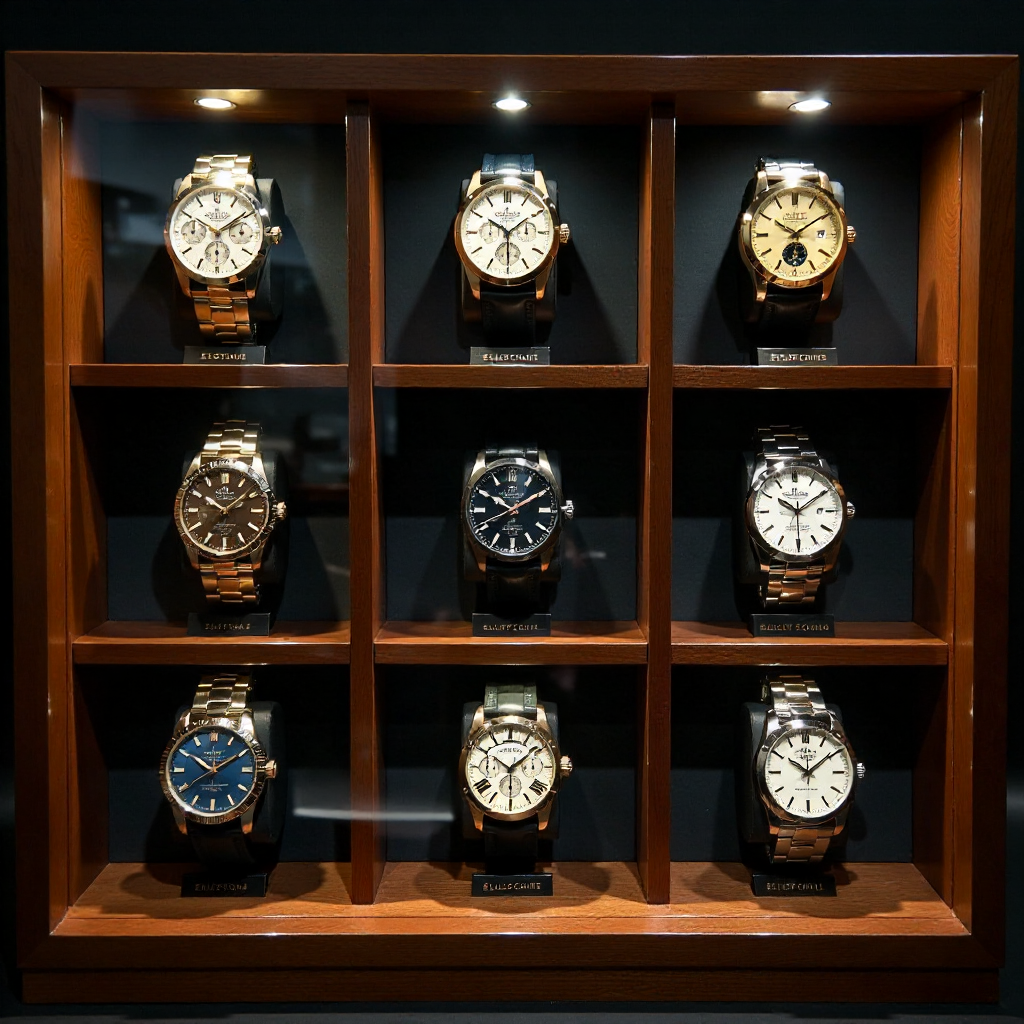
- Safe storage: Store watches in temperature-controlled, dry environments, ideally in a watch box or winder for automatics.
- Gentle handling: Avoid exposure to shocks, extreme temperatures, and chemicals that can degrade materials like precious metals and leather straps.
- Cleaning: Wipe cases and bracelets regularly with a soft cloth. For metals, a professional cleaning restores luster without damaging finishes.
Ignoring maintenance can lead to costly repairs and diminished aesthetic appeal, undermining the watch’s investment potential.
Frequently Asked Questions
How to verify the authenticity of a luxury watch?
Authenticity verification involves checking serial numbers against manufacturer databases, examining movement details, and reviewing original paperwork and packaging. Using authorized dealers or certified appraisers is the safest method to confirm legitimacy.
What complications are most valued among collectors?
The tourbillon, perpetual calendar, and chronograph are among the most coveted watch complications, prized for their mechanical ingenuity and rarity. Minute repeaters and moonphase indicators also hold strong collector appeal.
Can high-end watches really be good investments?
Yes, well-chosen luxury watches from established brands with limited editions and famous provenance have shown consistent appreciation over time. However, market conditions fluctuate, so they should be viewed as a blend of passion purchases and strategic assets.
How often should luxury watches be serviced?
Most experts recommend servicing luxury mechanical watches every 3 to 5 years to maintain precision and prevent wear. Regular servicing safeguards the delicate internal components and preserves value.
What are the top brands renowned for craftsmanship?
Rolex, Patek Philippe, Audemars Piguet, Vacheron Constantin, and Jaeger-LeCoultre are widely recognized for their superior craftsmanship, innovation, and heritage in the luxury watch industry.
Choosing a high-end watch is both an art and a science that intertwines technical excellence with historical richness. By understanding the legacy, recognizing defining features, and applying meticulous assessment, connoisseurs can select timepieces that elevate both their collections and lifestyles.