The Ultimate Guide to Luxury Skincare and Anti-Aging Routines
Why Luxury Skincare Is a Worthy Investment
Luxury skincare earns its premium through formulation sophistication, ingredient bioavailability, and a sensorial experience that mass-market products simply cannot replicate. The difference is not just packaging — it's the concentration of actives, the delivery systems, and the years of research behind each formula.
Prestige brands invest heavily in proprietary encapsulation technologies that protect unstable ingredients like vitamin C (L-ascorbic acid) and retinoids from degradation before they reach your skin. A high-end serum might use phospholipid liposomes or time-release microspheres to ensure actives penetrate the dermis rather than sitting on the surface. That's a meaningful technical distinction.
There's also the ritualistic dimension. Applying a beautifully textured, thoughtfully scented facial oil before bed is an act of intentional self-care — one that reinforces consistency, which is the single most important factor in any skincare routine's success. When your products feel extraordinary to use, you actually use them.
Understanding the Core Pillars of Anti-Aging Skincare
Effective anti-aging skincare rests on three biological foundations: collagen synthesis, cellular turnover, and skin barrier function. Every worthwhile active ingredient targets at least one of these processes.
Collagen synthesis declines at roughly 1% per year after age 25, which is why fine lines and loss of firmness become visible over time. Stimulating collagen production — through retinoids, peptides, or growth factors — is the cornerstone of any serious anti-aging approach.
Cellular turnover, the process by which skin sheds dead cells and generates fresh ones, slows from a 28-day cycle in your twenties to 45-60 days by your fifties. Accelerating this renewal reveals brighter, smoother skin and allows actives to penetrate more effectively.
The skin barrier function is perhaps the most underappreciated pillar. A compromised barrier — caused by over-exfoliation, harsh cleansers, or environmental stress — leads to moisture loss, sensitivity, and accelerated visible aging. Luxury formulations prioritize barrier integrity through ceramides, fatty acids, and squalane, recognizing that a resilient barrier is the foundation every other active builds upon.
The Power Ingredients Found in High-End Formulations
The most effective luxury skincare products are built around a core set of scientifically validated actives, each formulated at concentrations and purities that justify the investment.
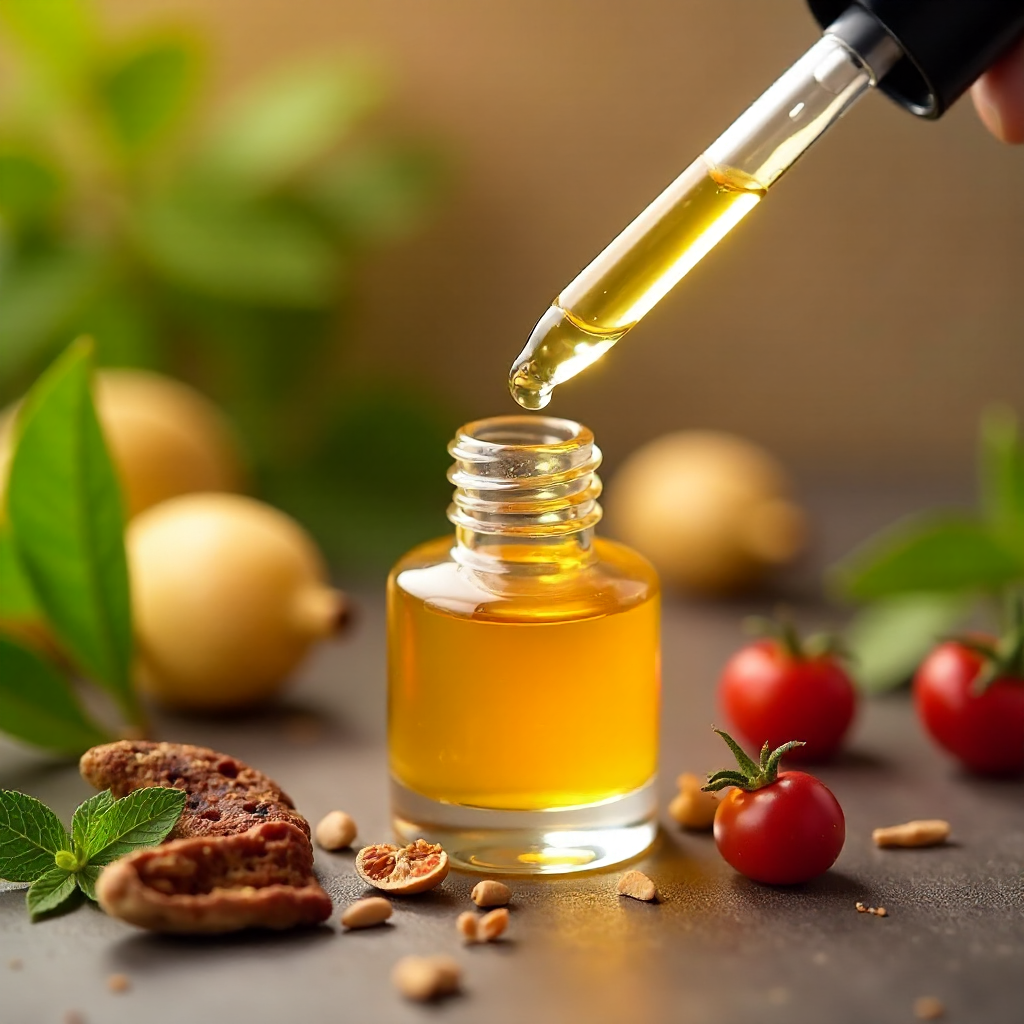
Retinol and Retinoids
Retinoids remain the most extensively studied anti-aging ingredient in dermatology. They accelerate cellular turnover, stimulate collagen synthesis, and reduce hyperpigmentation. Luxury brands differentiate themselves by using stabilized retinol esters, hydroxypinacolone retinoate, or prescription-grade retinaldehyde — forms that deliver results with reduced irritation compared to standard retinol. The formulation vehicle matters as much as the active itself; a buffered, lipid-rich base makes all the difference for tolerability.
Peptides and Collagen Boosters
Peptides are short amino acid chains that signal the skin to produce more collagen and elastin. Prestige formulations use multi-peptide complexes — combinations like Matrixyl 3000, Argireline, and copper peptides — at clinically relevant concentrations. Unlike many mass-market products that list peptides for marketing purposes, luxury serums actually deliver them in meaningful amounts.
Hyaluronic Acid and Vitamin C
Hyaluronic acid in high-end formulations typically combines multiple molecular weights — from large molecules that hydrate the surface to low-molecular-weight fragments that penetrate deeper layers. Paired with L-ascorbic acid at 15-20% concentration (stabilized against oxidation), this combination addresses both hydration and the oxidative stress that accelerates collagen breakdown. Vitamin C also brightens uneven tone and enhances SPF efficacy when layered correctly.
Building Your Morning Luxury Skincare Ritual
A well-sequenced AM routine primes skin for the day, delivers protective antioxidants, and locks in moisture before sun exposure. Order and timing matter as much as product selection.
- Step 1 — Gentle Cleanser: Begin with a milky or gel cleanser that respects the skin barrier. Morning cleansing removes overnight product residue without stripping natural oils.
- Step 2 — Antioxidant Serum: Apply a vitamin C serum while skin is slightly damp. L-ascorbic acid neutralizes free radicals generated by UV exposure and pollution throughout the day.
- Step 3 — Peptide or Hyaluronic Acid Serum: Layer a hydrating or firming serum next, working from thinnest to thickest consistency. Allow 60 seconds between layers for proper absorption.
- Step 4 — Moisturizer: Seal actives with a rich yet non-occlusive moisturizer. Look for ceramide complexes and niacinamide to reinforce barrier function.
- Step 5 — Broad-Spectrum SPF: SPF protection is non-negotiable. UV radiation is responsible for approximately 80% of visible facial aging. A mineral or hybrid SPF 50 formulated for luxury wear — lightweight, no white cast — completes the ritual.
The entire sequence should feel like a ceremony, not a chore. That mindset shift is part of what separates a luxury skincare ritual from a basic routine.
Crafting the Perfect Evening Anti-Aging Routine
The PM ritual is where the most transformative anti-aging work happens. Skin enters a repair mode overnight, with cellular regeneration peaking between 11 PM and 4 AM — making evening the optimal window for your most potent actives.
Start with double cleansing: an oil-based first cleanse dissolves SPF, makeup, and sebum, followed by a water-based cleanser that purifies without disrupting the acid mantle. This two-step approach is foundational to prestige skincare philosophy and ensures actives applied afterward can actually reach the skin.
After cleansing, apply your retinoid — whether retinol, retinaldehyde, or a luxury retinoid complex — to clean, dry skin. Allow it to absorb for 10-15 minutes before layering a peptide serum on top. This sequencing prevents the pH conflict that can reduce retinoid efficacy.
Finish with a facial oil or overnight treatment. A well-formulated facial oil — rosehip, marula, or a proprietary botanical blend — acts as an occlusive layer that locks in everything beneath it while delivering its own fatty acids and antioxidants. The result by morning: visibly plumper, more radiant skin.
Elevating Your Routine With Luxury Skincare Extras
Beyond the core routine, a selection of premium additions can meaningfully accelerate results and deepen the ritualistic experience.
Facial massage — whether performed with a rose quartz roller, a gua sha tool, or simply warmed hands — stimulates lymphatic drainage, reduces morning puffiness, and improves product penetration. Incorporating even five minutes of facial massage into your PM routine has a compounding effect over weeks.
Professional-grade exfoliants, used 1-2 times weekly, accelerate cellular turnover between retinoid applications. Enzyme-based exfoliants (papain, bromelain) offer a gentler alternative to AHAs for sensitive skin types, while a well-formulated glycolic or lactic acid treatment delivers more dramatic resurfacing for those whose skin can tolerate it.
Luxury sheet masks and overnight sleeping masks — applied once or twice weekly — deliver concentrated doses of actives in an occlusive format that maximizes absorption. Think of them as a spa treatment you administer at home.
Personalizing Your Routine by Skin Type and Age
True luxury skincare is bespoke. The same core ingredients apply across skin types and ages, but concentrations, textures, and sequencing shift based on individual needs.
In your thirties, the priority is prevention and early intervention. A vitamin C serum, daily SPF, and a low-concentration retinoid (0.025-0.05%) form a powerful foundation. Hyaluronic acid layering addresses the first signs of dehydration-related fine lines.
By your forties and fifties, the focus shifts toward active repair. Higher-concentration retinoids, multi-peptide serums, and richer barrier-supporting moisturizers become central. Facial oils play a larger role as sebum production naturally decreases with age.
For dry skin, prioritize lipid-rich formulations and reduce exfoliation frequency. For oily or combination skin, gel-textured serums and lightweight moisturizers allow actives to work without congesting pores. The luxury difference here is that prestige brands typically offer multiple texture variants of the same formula — a consideration worth factoring into your selection.
According to the American Academy of Dermatology, consistent use of broad-spectrum sunscreen and proven actives like retinoids represents the strongest evidence-based foundation for any anti-aging regimen — luxury or otherwise.
Frequently Asked Questions
At what age should you start an anti-aging skincare routine?
The ideal time to start is your mid-twenties, when collagen production begins its gradual decline. Prevention is significantly more effective than reversal — a well-formulated SPF and antioxidant serum at 25 will outperform the most aggressive corrective routine started at 45.
How do you layer luxury serums without reducing their efficacy?
Apply serums from thinnest to thickest consistency, and wait 60-90 seconds between each layer. Avoid combining vitamin C (low pH) with retinoids or niacinamide in the same step — use vitamin C in the morning and retinoids at night to prevent pH conflicts that diminish potency.
Is a higher price point always an indicator of better skincare results?
Not automatically, but at the prestige level, price correlates more reliably with active concentration, delivery technology, and formulation stability than it does in mass-market skincare. The gap between a $15 retinol and a $150 retinoid complex is often a genuine formulation difference — not just branding.
How often should you introduce new luxury products into your routine?
Introduce one new product at a time, with a minimum two-week observation period before adding the next. This allows you to identify how your skin responds and prevents the confusion of multiple simultaneous reactions — a discipline that protects both your skin and your investment.
Can luxury skincare replace professional in-clinic treatments?
Luxury skincare and professional treatments are complementary, not interchangeable. A well-curated home ritual maintains and extends the results of clinical procedures — laser resurfacing, chemical peels, injectables — but cannot replicate their depth of action. The most sophisticated approach combines both.